Active Methods (High Yield)
- Answering timed practice questions
- Creating flashcards from mistakes
- Teaching concepts to study partners
- Drawing flowcharts from memory
Revise effectively across medical school using active techniques and strategic planning


Medical curricula contain 10,000+ facts requiring integrated recall across systems.
Exams test clinical application rather than isolated memorization.
Knowledge builds cumulatively across 5-6 years without repetition.
Students must revise while learning new content simultaneously throughout training.

Build core medical knowledge and understand common clinical presentations. Link basic science to real patient cases and use low-pressure SBA questions to introduce exam-style thinking.
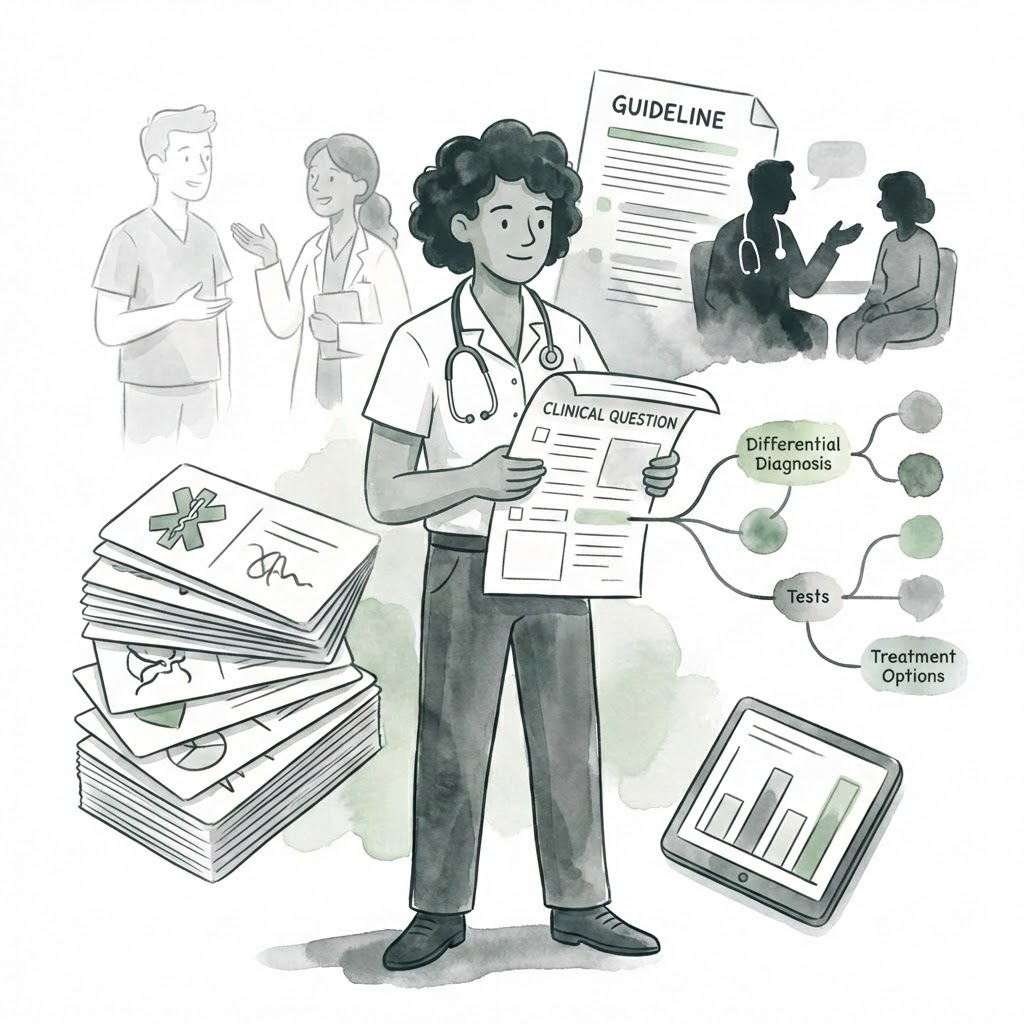
Integrate placements with structured SBA practice. Focus on pattern recognition, differential diagnosis, and applying NICE guidance in context.
Prioritize timed UKMLA-style questions, targeted weak-area review, and safe clinical decision making under exam conditions.
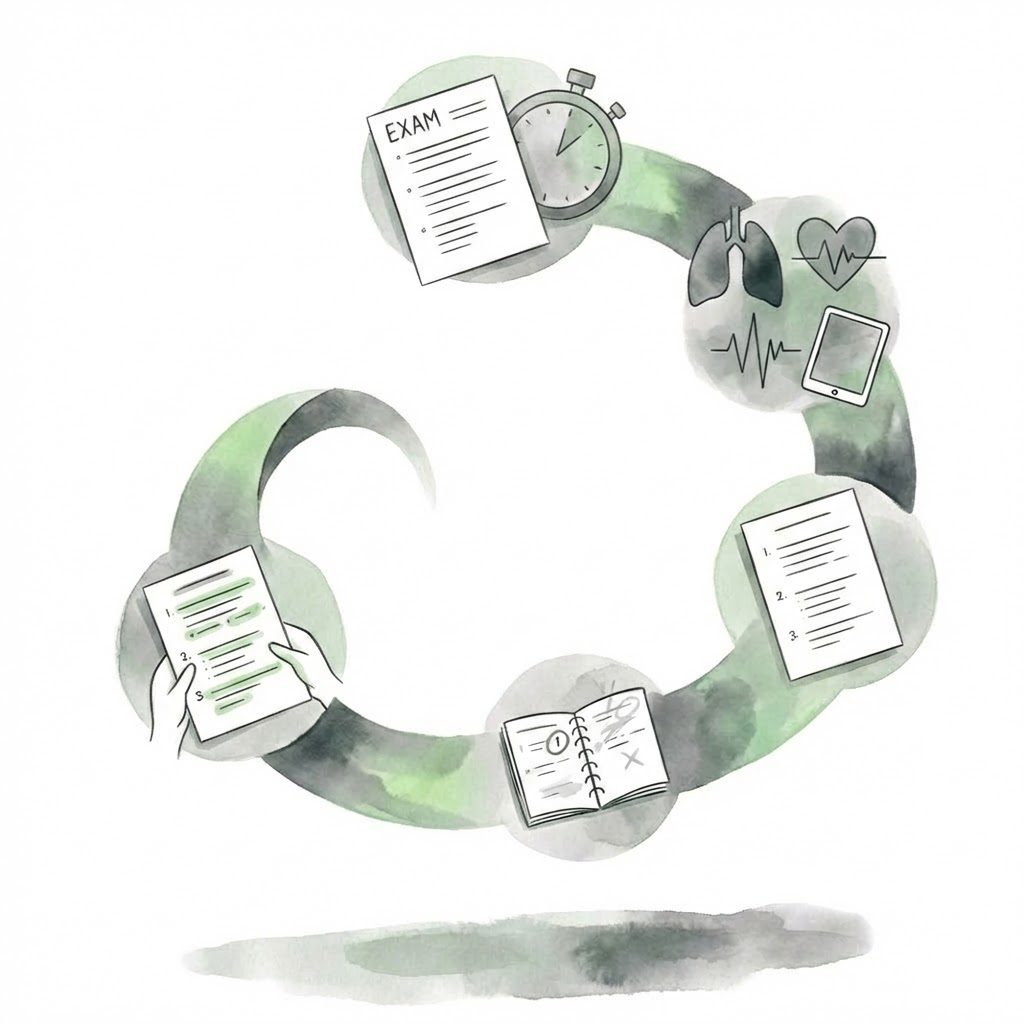
• Day 1: Learn new material through active question practice
• Day 2: Review incorrect answers and create summary notes
• Day 7: Reattempt previously flagged questions without notes
• Day 30: Complete same topic in mixed specialty format
• Day 90: Include topic in comprehensive mock exam
• Practice questions with detailed explanation review
• Spaced repetition for essential clinical concepts
• Revisiting weak topics identified through performance analytics
• Integrating NICE and other guidelines into clinical scenario practice
• Teaching difficult concepts to peers for deeper understanding
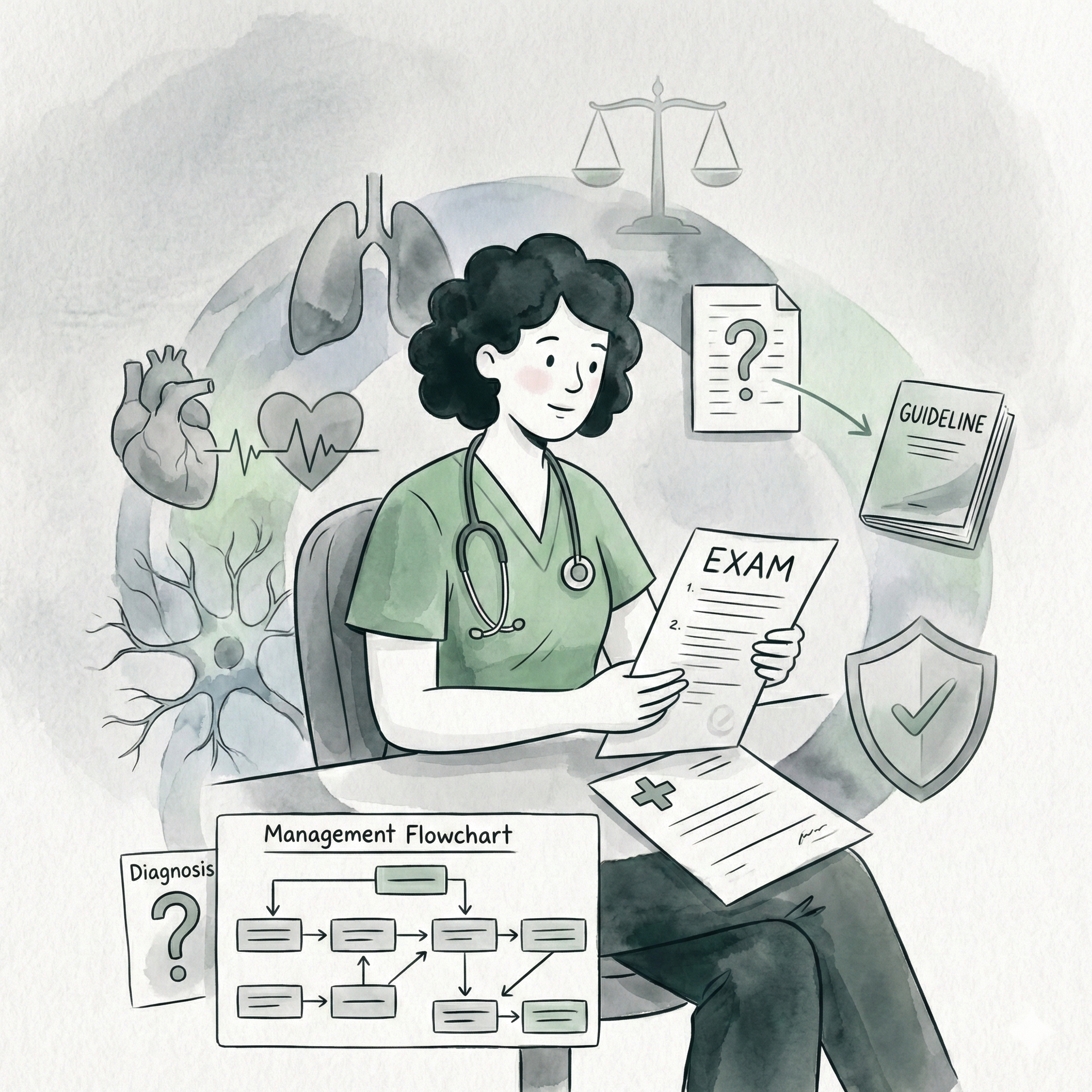
Finals integrate knowledge across systems more than earlier exams.
Questions emphasize management and prioritization over diagnosis alone.
Ethics, prescribing, and patient safety feature prominently.
The optimal strategy uses practice questions to identify gaps, then targeted guideline reading.
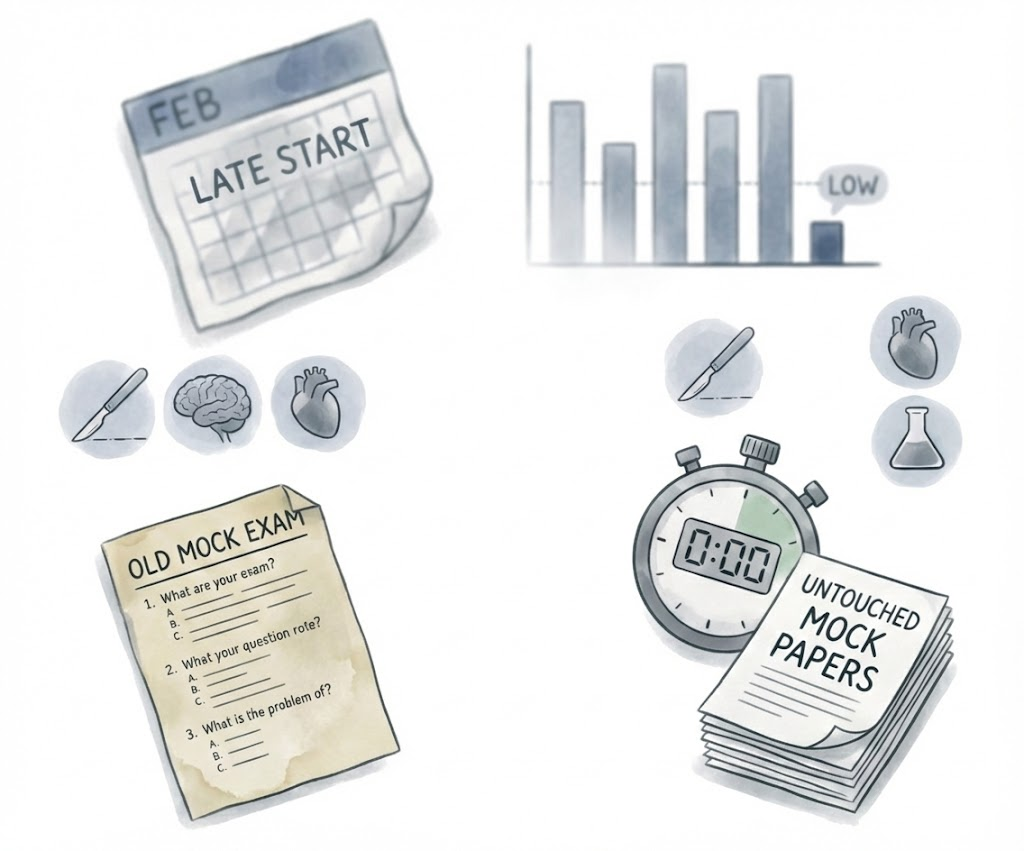
• Starting structured revision less than 3 months before exams
• Using outdated question banks from previous cohorts
• Neglecting timed mock exams until final week
• Studying specialties in isolation without integration
• Ignoring performance analytics showing persistent weak areas
Consistently effective study tips for medical students include:
Consistency matters more than intensity.

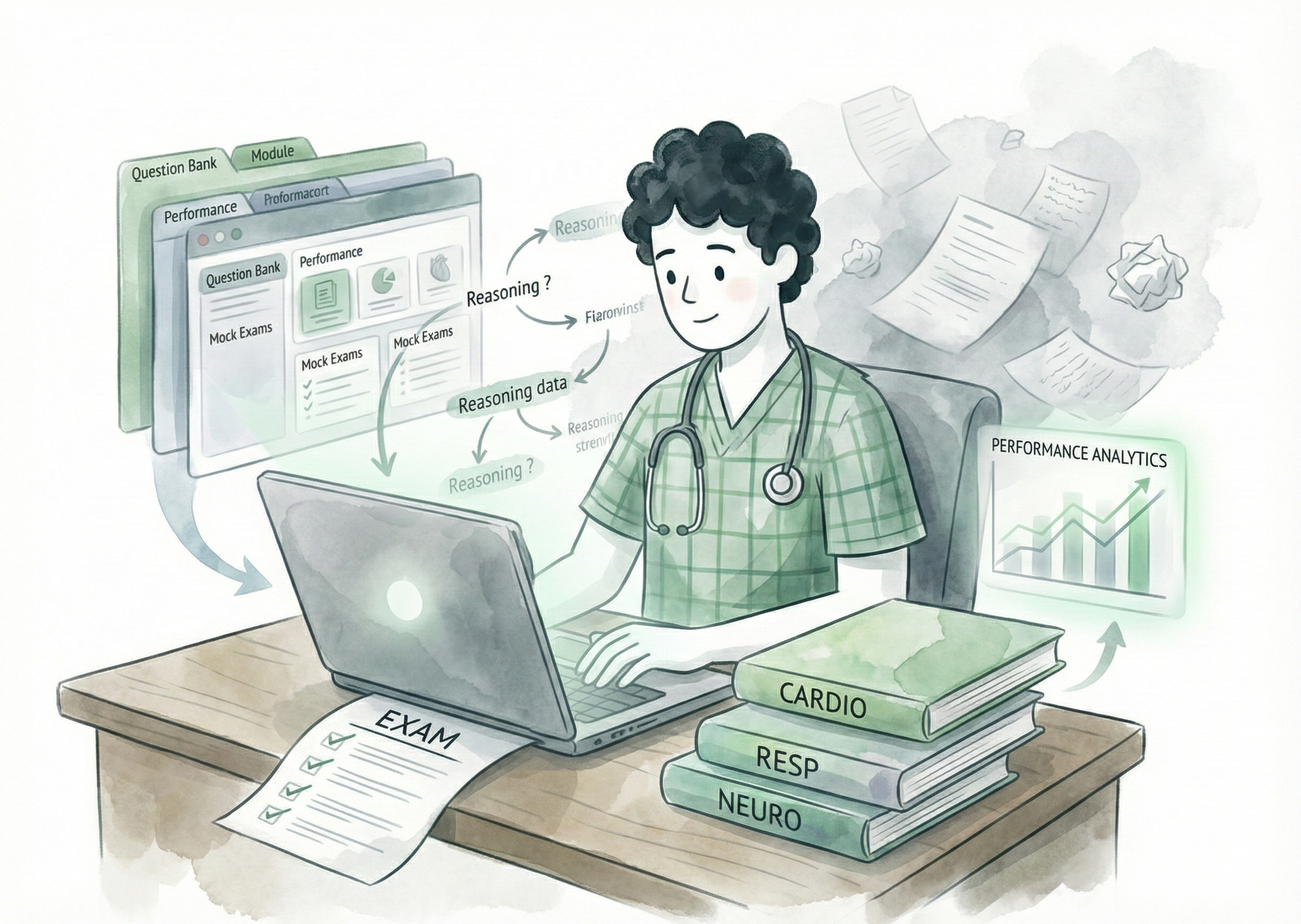
Effective platforms provide curriculum-organized question banks and clear reasoning-based explanations.
Performance tracking identifies weak systems and skill categories.
Mock exam functionality simulates real exam conditions.
Structured platforms reduce duplicated effort compared with scattered resources.


30-50 questions daily beats 200 questions once weekly.

Let performance analytics guide topic selection, not intuition.

Always practice under exam conditions to build stamina.

Spend equal time reviewing explanations as answering questions.

Master one platform completely before trying alternatives.
SingleBestAnswer supports medical school revision through clinically focused SBA questions, reasoning-based explanations, system-wide coverage, analytics-guided targeted study, and exam simulation for finals and UKMLA.

Active revision with practice questions and explanation review consistently outperforms passive reading. Pair this with targeted guideline review for weak areas.